
Basic Anatomy and Physiology: Endocrine, Lymphatic, and Immune Systems
Prehospital Academy Lesson 7.7
The Endocrine System: Chemical Control of the Body
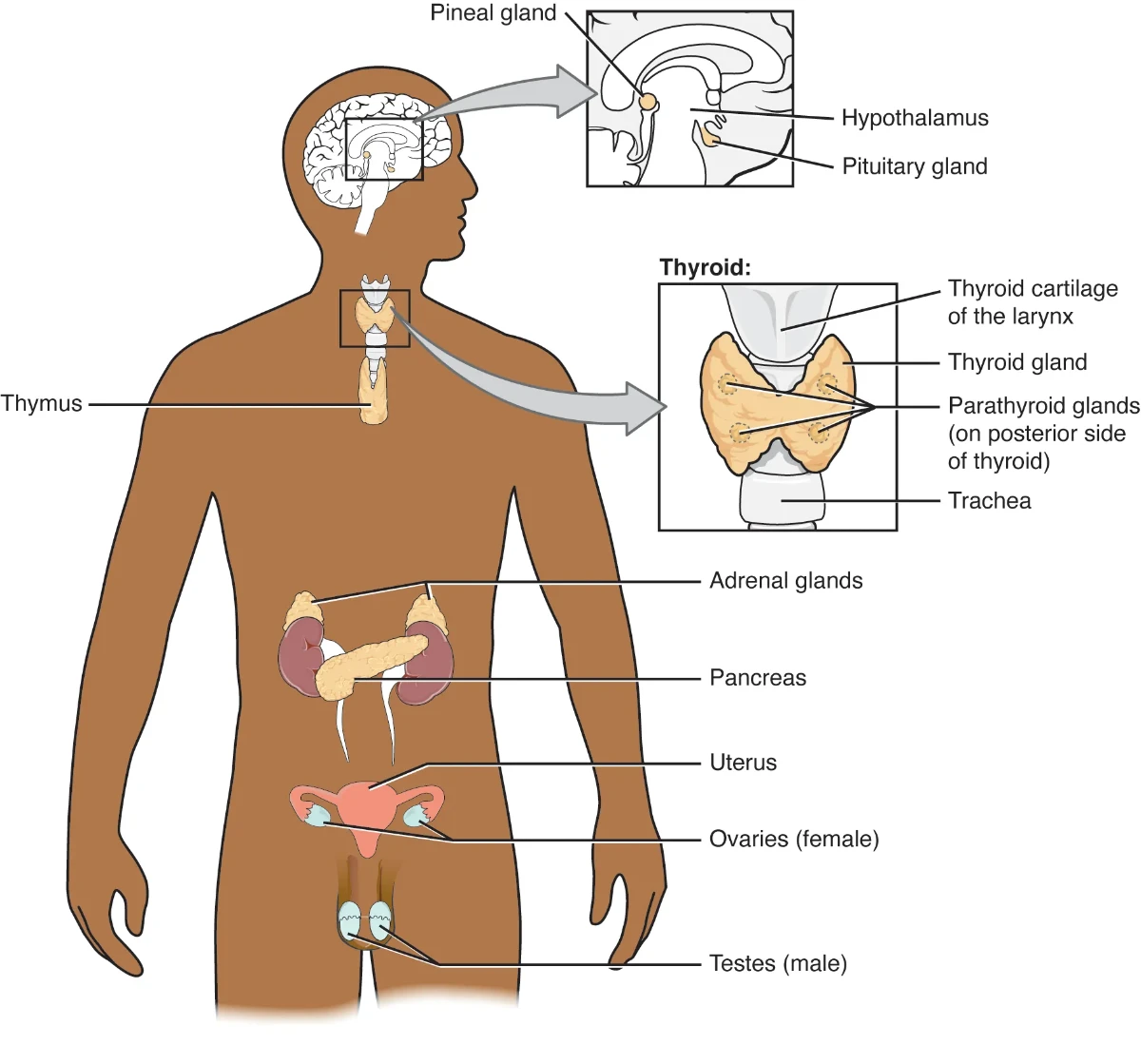
The endocrine system is a network of hormone-producing glands that regulate metabolism, growth, sexual development, stress responses, and long-term homeostasis. Unlike the nervous system, which uses rapid electrical signals, the endocrine system relies on hormones released into the bloodstream. These chemical messengers act more slowly but have longer-lasting effects.
For EMS providers, endocrine dysfunction frequently presents as altered mental status, abnormal vital signs, electrolyte disturbances, or unexplained weakness. Understanding hormone regulation helps connect these symptoms to underlying physiology.
Endocrine vs Exocrine Glands
There are two main types of glands in the body. Endocrine glands release hormones directly into the bloodstream. Examples include the thyroid, adrenal glands, and pituitary gland. These hormones act on distant target organs and provide systemic regulation.
Exocrine glands release their products through ducts to epithelial surfaces. Examples include sweat glands, salivary glands, mucous glands, and mammary glands. Exocrine secretions act locally and support functions such as digestion, lubrication, and temperature regulation.
Hormone Feedback Mechanisms
Hormone secretion is regulated through feedback loops that maintain balance. Positive feedback loops amplify a response. A classic example is childbirth, where oxytocin release causes uterine contractions that stimulate additional oxytocin release until delivery occurs.
Negative feedback loops suppress hormone release once the desired effect is achieved. This is the primary mechanism used to maintain homeostasis. For example, insulin and glucagon regulate blood glucose by responding to rising or falling glucose levels and suppressing further hormone release once balance is restored.
Major Endocrine Glands and Their Roles
The hypothalamus, located deep within the cerebrum, links the nervous and endocrine systems. It releases regulatory hormones that control pituitary hormone secretion.
The pituitary gland is often called the master gland because it releases hormones that control other endocrine glands. It plays a central role in growth, metabolism, and reproductive function.
The thyroid gland, located at the base of the neck, releases T3 and T4 hormones that regulate metabolism of carbohydrates, fats, and proteins. Thyroid dysfunction can produce weight changes, heat or cold intolerance, and cardiac effects.
Adrenal Glands and the Stress Response
The adrenal glands sit atop the kidneys and consist of two distinct regions. The adrenal cortex releases steroid hormones such as aldosterone, cortisol, and cortisone. Aldosterone regulates sodium and water balance, directly influencing blood pressure. Cortisol affects glucose metabolism and stress responses.
The adrenal medulla releases epinephrine and norepinephrine, which are central to the sympathetic fight-or-flight response. These hormones increase heart rate, blood pressure, and blood glucose, preparing the body for stress.
The Pancreas and Glucose Regulation
The pancreas functions primarily as an exocrine gland, producing digestive enzymes. A smaller endocrine portion secretes insulin and glucagon. Insulin lowers blood glucose by allowing glucose to enter cells. Glucagon raises blood glucose by promoting glycogen breakdown in the liver.
For EMTs, pancreatic hormone imbalance explains hypoglycemia, hyperglycemia, diabetic emergencies, and altered mental status related to glucose abnormalities.
Gonads and Reproductive Hormones
The male and female gonads produce hormones that regulate reproductive function and secondary sex characteristics. Testes produce testosterone, while ovaries produce estrogen and progesterone. These hormones influence growth, bone density, muscle mass, mood, and reproductive cycles.
The Lymphatic System: Fluid Balance and Immune Support
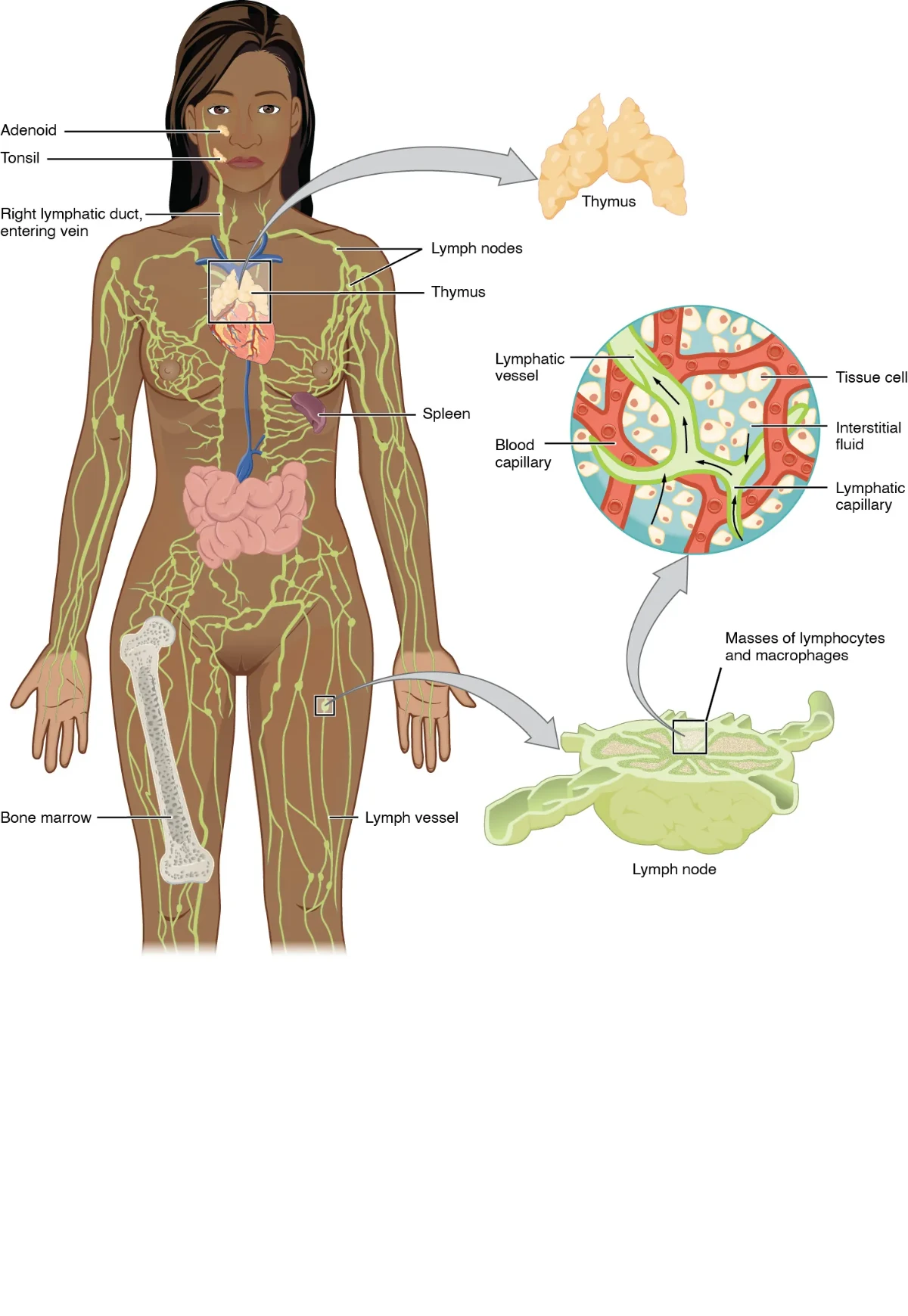
The lymphatic system consists of vessels, ducts, lymph nodes, and lymphoid organs such as the spleen and thymus. It collects excess interstitial fluid and returns it to the venous circulation, helping maintain fluid balance.
Approximately 20 liters of plasma leak from capillaries each day. Most is reabsorbed by blood vessels, but the remaining fluid is returned to circulation by the lymphatic system. Failure of this process can lead to edema.
Lymph Nodes and Lymphoid Organs
Lymph nodes filter lymph and contain large numbers of white blood cells. As lymph flows slowly through nodes, lymphocytes have time to identify and respond to pathogens.
The spleen filters blood and removes old red blood cells and pathogens. The thymus plays a role in immune cell maturation. Together, these organs support immune surveillance and defense.
The Immune System: Two Lines of Defense
The immune system consists of two major components. The innate immune system provides rapid, non-specific defense through physical barriers, inflammatory responses, and pattern recognition by immune cells.
The adaptive immune system is slower but highly specific. It relies on lymphocytes that recognize specific antigens and produce targeted antibodies. This system is responsible for long-lasting protection and immune memory.
Inflammation: Hallmark of Innate Immunity
Inflammation is a protective response to injury or infection aimed at restoring tissue homeostasis. The classic signs are redness, heat, swelling, and pain.
Inflammatory mediators such as histamine, leukotrienes, and prostaglandins cause vasodilation and increased capillary permeability. This allows immune cells and plasma proteins to reach the affected area and begin repair.
For EMTs, inflammation explains localized swelling, warmth, allergic reactions, and early infection findings.
Adaptive Immunity and Immunologic Memory
Adaptive immunity can be active or passive. Active immunity results from exposure to an antigen, either through infection or vaccination. Passive immunity occurs when antibodies are transferred from another source, such as maternal antibodies or antibody administration.
Immunologic memory allows the body to respond faster and more effectively to repeated exposures. This principle underlies vaccination and long-term disease prevention.
Hormone Chemistry Classifications
Hormones are classified into three main groups. Protein and peptide hormones are composed of amino acid chains and include insulin, growth hormone, and antidiuretic hormone.
Steroid hormones are derived from cholesterol and include estrogen, testosterone, aldosterone, cortisol, and cortisone. Amine hormones are derived from modified amino acids and include epinephrine, norepinephrine, and dopamine.
Understanding hormone chemistry helps explain how hormones act, how quickly they work, and how long their effects last.
Clinical Reinforcement for EMTs
Endocrine, lymphatic, and immune system dysfunction commonly present as subtle changes before dramatic deterioration. Glucose abnormalities, adrenal stress responses, infection, allergic reactions, and fluid shifts all trace back to these systems.
Recognizing patterns such as edema, fever, hypoglycemia, hyperglycemia, or exaggerated stress responses allows EMTs to anticipate complications and provide better early care.
Critical Thinking Questions
A patient with infection has fever, tachycardia, and localized swelling. How does the inflammatory response explain these findings, and when might inflammation become harmful?
A diabetic patient is confused and diaphoretic. How do insulin and glucagon normally regulate glucose, and what clues help you distinguish hypoglycemia from hyperglycemia in the field?
A patient under extreme stress has tachycardia and elevated blood pressure. How do adrenal hormones contribute to these findings, and when can this response become dangerous?
A patient presents with generalized edema and a history of lymph node removal. How does lymphatic dysfunction contribute to fluid accumulation, and what assessment findings would support this?
How does immunologic memory explain the effectiveness of vaccines and influence patient history during infectious disease outbreaks?
Image Credits: Image from Anatomy and Physiology by OpenStax, licensed under CC BY 4.0